
You see nylon and polyester everywhere in hat aisles. Both work well. The right pick depends on what you need.
Comfort, breathability, durability, weather resistance, and upkeep all matter here. Maybe you want a soft hat for hiking. Perhaps you need a sturdy cap for daily sun exposure. Your priorities shape the answer.
So which one wins? That depends on you. When you compare nylon vs polyester hats, you will find real trade-offs. One feels softer. The other holds shape better.
Here is the good news. Blends often give you a middle ground. They mix the strengths of each fiber.
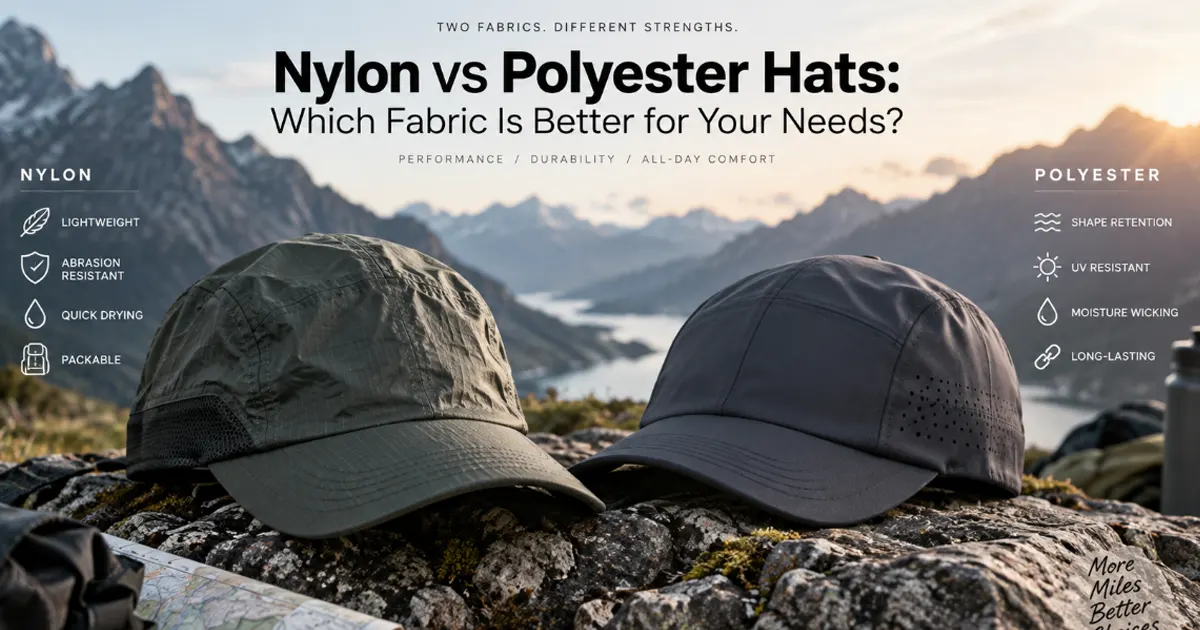
Key Takeaways
- Nylon hats feel soft and stretchy, giving you a comfy fit that suits you.
- Polyester hats keep their shape well and do not wrinkle or sag easily.
- Polyester dries faster than nylon, so you stay dry during hard activities.
- Nylon resists rubbing and handles rough use without wearing out.
- Polyester provides better UV protection and keeps color well in sun.
- Blended hats mix nylon’s softness with polyester’s durability and structure.
- Pick nylon for comfort and stretch, and polyester for structure and easy care.
- Think about what you do every day to choose the best fabric for your needs.
Nylon Hats: Comfort and Breathability
Moisture-Wicking and Softness
Nylon wins the comfort contest for most people. The fiber feels smooth, soft, and silky against your skin. Fine nylon filaments create a plush surface that polyester rarely matches. You notice this the moment you pull on a nylon hat.
Nylon also pulls sweat away from your skin. It absorbs more moisture into the fiber itself. That quality keeps you comfortable in humid conditions. Polyester repels water and dries faster, but it feels crisper and less plush. A nylon hat may take longer to dry, yet it stays soft while you wear it.
Flexibility and Fit
Stretch matters for a hat that sits on your head all day. Nylon stretches 20 to 40 percent before breaking. It also snaps back to its original shape over 90 percent of the time. Those numbers explain why a nylon hat adapts to your head shape and stays snug.
Polyester stretches less and recovers about 80 percent of the time. It holds a firmer, more structured form. That rigidity suits some styles, but it cannot match nylon for pure flexibility. A lightweight nylon hat moves with you. It returns to shape after you stretch it. You get a fit that feels custom without any adjustment.
Abrasion Resistance and Toughness
Nylon shines when toughness matters. The fiber resists abrasion better than most synthetics. It handles repeated flexing without wearing thin. You can stuff a nylon hat into a pack, pull it out, and reshape it again and again.
This durability comes from nylon’s strong molecular structure. The fiber bends and rebounds instead of cracking. Polyester holds up well too, but nylon takes more punishment from rubbing and folding. For a hat that faces rough use, nylon delivers lasting performance. That toughness pairs with the soft feel, so you never trade comfort for strength.
Polyester Hats: Durability and Structure
Shape Retention and Rigidity
Polyester keeps its shape better than most other fabrics. The fiber resists stretching and sagging, so your hat holds its original form wear after wear. You get a crisp brim and a structured crown that stays in place. That durability and rigidity make polyester a top choice for caps with defined lines.
Manufacturers prefer polyester for this exact reason. The fiber creates a stiff, supportive base that holds embroidery and panels in place. A polyester hat won’t flop or droop after a long day. You can pack it, wear it, and trust it to bounce back. That structure works well for baseball caps, trucker hats, and any style that needs a firm silhouette.
Moisture Management and Dryness
Polyester keeps you dry through a simple trick. The fiber is hydrophobic, so water beads on the surface instead of soaking in. Air moves across the fabric and carries moisture away fast. You stay comfortable even when you sweat.
Drying speed sets polyester apart from nylon. Check the difference:
| Fabric | Typical Drying Time | Reason |
|---|---|---|
| Polyester | 1 to 2 hours | Hydrophobic; water stays on the surface and evaporates quickly |
| Nylon | 2 to 3 hours | Slightly more absorbent than polyester but still repels most moisture |
Approximate times for a mid-weight garment in moderate conditions.
That fast dry time matters for a hat you wear every day. You can rinse it, shake it out, and wear it again within a couple of hours. Polyester also wicks sweat away from your skin. The fabric pulls moisture to the surface, where it evaporates. You avoid that clammy feeling you get with cotton.
Nylon is a man-made fiber known for its soft feel, lightness, and good elastic return. It is one of the best hat fabrics for outdoor use because of its smooth texture, quick-dry properties, and breathability.
UV and Color Retention
Sun exposure breaks down many fabrics over time. Polyester stands strong against UV rays. The fiber resists fading and holds dye deep within its structure. Your hat keeps its color after months of outdoor wear.
This resistance comes from polyester’s molecular makeup. The fiber absorbs UV radiation and disperses it without breaking down. Colors stay vibrant, and the fabric itself won’t weaken under constant sun. You get a hat that looks new for seasons, not weeks. That staying power makes polyester a smart choice for daily sun protection.
Nylon vs Polyester Hats: Key Differences
Comfort and Breathability
You can feel the difference between these two fabrics as soon as you put them on. Nylon has a softer, silkier texture that slides smoothly against your skin. Polyester feels crisper and a little stiffer. That softness makes nylon a top pick for hats you wear right against your forehead.
Each fiber handles breathability in its own way. Nylon soaks up some moisture into the fiber itself, which helps in humid weather. Polyester pushes water to the surface and lets air carry it away. Polyester keeps you drier, but nylon keeps you softer. Neither one traps heat like some people worry. Both fabrics let air flow through when they are woven into a hat with an open structure.
Fit is a different story. Nylon stretches and springs back, so it shapes to your head over time. Polyester keeps its original form and resists stretching. If you want a hat that feels custom-made with no adjustments, nylon gives you that. If you like a steady, structured fit that never changes, polyester is the one.
Durability and Weather Resistance
Outdoor conditions put any hat to the test. Sun, rain, wind, and repeated washing all wear it down. This is where the two fibers begin to differ.
Polyester is usually more durable for outdoor use. It stands up better to UV rays, weather changes, and moisture. The fiber soaks up very little water, so it keeps its shape and performance in humid or wet conditions. For long sun exposure and wet-dry cycles, polyester tends to last longer. That durability makes it a solid choice for daily wear in tough climates.
Nylon can handle the outdoors too. It resists rubbing better than most synthetics and takes repeated bending without wearing thin. But nylon often needs UV stabilizers or protective coatings to stop long-term damage from sunlight. Without those treatments, nylon may fade and weaken over time.
So which fiber handles weather better? Polyester wins for sun and moisture. Nylon wins for physical wear and tear. Your usual conditions should guide your choice.
Maintenance and Longevity
How you care for your hat affects how long it lasts. The two fabrics need different routines.
| Aspect | Nylon hats | Polyester hats |
|---|---|---|
| Ease of maintenance | Requires gentler care; hand-wash with mild detergent in cool water; avoid machine agitation; air-dry away from direct sunlight to reduce fading | Easier to clean; often machine washable on a gentle cycle; less sensitive to warm water; naturally resists fading and odor buildup |
| Overall lifespan | Durable and abrasion-resistant, but may fade under sunlight and needs careful washing to preserve texture and color | Very strong and long-lasting; better fade resistance and shape retention; suitable for repeated washing and sun exposure |
Polyester clearly wins on convenience. You can toss it in the washing machine on a gentle cycle. It resists odor buildup and fading. Nylon needs more attention. Hand-washing in cool water keeps the texture intact. Machine agitation can rough up the surface. Direct sunlight while drying may cause fading.
Longevity favors polyester for most people. The fiber holds color and shape through repeated washing and sun exposure. Nylon lasts well too, but it needs more careful handling to stay looking new.
Here is the key takeaway. There is no clear winner in the nylon vs polyester debate. Each fiber brings real strengths. Nylon gives you softness, stretch, and abrasion resistance. Polyester gives you structure, fast drying, and easy care. Think about your daily routine. Do you need a hat you can wash without worry? Polyester fits that life. Do you want a hat that feels plush and moves with you? Nylon is your answer. When you compare nylon vs polyester hats, your priorities decide the winner.
Nylon vs Polyester: Blended Hats
Combining Comfort and Durability
A nylon vs polyester blend gives you a hat that feels soft and holds its shape at the same time. These fiber blends do exactly that. They pull the smooth texture from one fiber and the rigid structure from the other into one fabric.
Nylon gives the blend its plush feel. It makes hats comfortable against your forehead and temples. Polyester steps in to keep the crown firm and the brim crisp. You don’t have to choose between softness and support. The blend delivers both in one fabric.
These blended fabrics also handle moisture well. One portion pushes sweat to the surface where it evaporates. The other portion adds a silky feel that doesn’t irritate your skin. You stay dry and comfortable even during long wear.
Cost-Effective Versatility
Pure styles from one fiber cost more to produce. Pure options from the other lack softness. Blending brings the price down while keeping the quality up. Manufacturers mix the fibers in different ratios to hit a sweet spot between cost and performance.
You often see blends with a majority of one fiber and a minority of the other. This combination gives you enough structure for shape retention. It adds enough softness for a comfortable touch. The result is a hat that performs well across many conditions without the premium price tag of a single-fiber option.
Blends also work for different activities. You can wear one on a morning run. You can wear the same style on a weekend hike. The fabric adapts to both uses without sacrificing comfort or durability. That versatility saves you money because one cap does the job of two.
Best for Daily Wear
A daily wear hat needs to do everything right. It must feel good on your head. It must keep its shape after repeated use. It must dry fast when you sweat. These nylon-polyester blends check all those boxes.
Start with comfort. The soft fiber gives you a plush contact point against your skin. You forget you are wearing it after a few minutes. The structured fiber stops the fabric from stretching out of shape over time. You get a consistent fit day after day.
Now think about care. A blended option handles machine washing better than a single-fiber version. It resists fading better too. You can toss it in the wash and hang it to dry without worrying about damage. They come out looking fresh and holding their shape.
These blends also resist pilling. The fibers hold together well through washing and wear. They stay smooth and presentable for months. That makes them a smart pick for anyone who wants one reliable option for daily use.
So when you compare nylon vs polyester hats, remember the blend. It gives you the best of both worlds without forcing a compromise.
Best Uses for Nylon Hats
Sports and Outdoor Activities
Nylon stands out for active wear. The fiber stretches with your movements. You get a snug fit that stays put during a run or a climb. Unlike stiffer fabrics, nylon won’t dig into your skin or leave red marks. The soft texture of nylon prevents chafing, even when you sweat heavily. You notice the difference right away when you start moving. Nylon gives without losing its grip on your head. That softness makes a big difference on long trail days when gear rubs against your skin.
This material handles the abuse of outdoor gear well. You can brush against rocks, branches, or pack straps without wearing down the fabric. Nylon bends and springs back over and over. That repeat performance matters for a hat you wear on rugged trails. You grab one from your pack, pull it on, and it already knows your head shape. You do not need to adjust straps or fight with the fit. Nylon molds to your head over time and stays there. For activities like trail running or rock climbing, that reliable fit keeps your focus on the task. You spend less time fussing with your gear and more time moving forward.
Travel and Packable Hats
Packability makes nylon a traveler’s best friend. The fiber folds into tight spaces without creasing. You stuff it into a jacket pocket or a suitcase corner. Pull it out hours later, and it bounces back with little effort. No other fabric recovers its shape so well after being crushed and compacted.
The lightweight feel also helps on the road. You barely notice a nylon hat in your bag. That leaves room for other travel essentials. Nylon dries fast enough for a quick sink wash in a hotel room. You can rinse it at night and wear it by morning. That convenience matters when you switch hotels every few days. You never pack a wet hat or deal with mildew smells. The fabric does not hold onto odors the way cotton does. You get multiple wears between washes without any smell. This fabric truly simplifies travel gear. You pack less and worry less with this choice for your trip.
Rainy and Windy Conditions
Wet weather calls for this fabric. It resists water absorption better than cotton and many other synthetics. A light drizzle beads on the surface and rolls off. You stay comfortable without that heavy, soaked feeling. It keeps its shape even when damp. It will not sag or droop under a light rain. You get reliable coverage without the weight of a waterproof shell. You do not need a lined hood or an umbrella for short trips in the rain.
Wind also struggles to pass through nylon’s tight weave. The fabric blocks gusts that would cut through a looser knit. You get warmth without bulk. That protection works for coastal breezes, mountain gusts, or windy city streets. Nylon handles these conditions without turning stiff or heavy. The fabric stays flexible even when temperatures drop. You get wind protection without the crunch of a hard shell material. That makes this fiber a smart pick for changeable weather. When you face a combination of drizzle and breeze, you stay comfortable and covered.
Best Uses for Polyester Hats
Casual and Everyday Wear
Polyester is the top pick for hat fans and makers. It is a key fabric in modern hat making. You see it in printed tees, team jerseys, hoodies, and cheap outerwear. Makers like polyester because it costs little, dyes easily, and resists wrinkles. That makes it the go-to fiber for many mass-market clothes.
For everyday wear, polyester is chosen for cost, durability, and easy care. You can wear a polyester hat day after day without worrying about fading or odor buildup. It resists wrinkles and holds its shape through repeated use. That durability means you replace it less often. You get more value from one purchase.
Polyester also rules fast fashion and sports apparel. The low cost, easy dyeing, and strong global recycling system keep prices down. You can find a polyester hat in almost any style and color. That variety makes it easy to match your daily outfits. Whether you want a simple dad hat or a structured cap, polyester delivers.
Sun Protection and Hot Weather
Polyester stands strong against UV rays. The fiber resists fading and holds dye deep within its structure. Your hat keeps its color after months of outdoor wear. This resistance comes from polyester’s molecular makeup. The fiber absorbs UV radiation and spreads it without breaking down.
In sunny and dry climates, choose UPF-rated fabric with a medium or long brim. That blocks UV rays while keeping your head cool and shaded. Polyester caps usually weigh around 150 to 220 gsm. That makes them lighter and faster to dry than heavier cotton builds. You stay comfortable even in intense heat.
Polyester also handles humid conditions well. The fiber is hydrophobic, so water beads on the surface instead of soaking in. Air moves across the fabric and carries moisture away fast. You avoid that clammy feeling you get with cotton. For humid outdoor promotions, polyester or poly-cotton with mesh releases moisture and improves airflow. That keeps you dry and comfortable all day.
Running and Active Hats
Polyester shines for running and high-intensity activities. For hot and humid runs, pick hats with maximum mesh and thin sweatbands. These features boost airflow and cooling. They speed sweat evaporation and keep you lighter. You stay focused on your pace instead of your gear.
For trail running, prefer crushable brims, quick-dry materials, and reflective details. These features give you durability, comfort, and visibility on unpredictable terrain. Polyester dries fast, so you can rinse it and wear it again within a couple of hours. That quick turnaround matters when you run daily.
Gym workouts also call for polyester. A low-profile crown with a snug fit keeps the hat secure during fast, high-intensity movements. The fabric stretches less than nylon, so it holds its structure. You get a consistent fit that won’t slip or sag. For technical five-panel styles, lightweight polyester or nylon works well. These hats are light, quick-drying, and packable. You can stuff one in your gym bag and pull it out ready to wear.
Choosing Based on Priorities
Comfort and Breathability First
Your head tells you what it likes within seconds. If you want a hat that feels soft and light from the first wear, nylon is your best bet. The fiber has a smooth, silky texture that sits gently against your skin. It also stretches with your head and springs back, so you never fight with the fit. For hot weather and long runs, this softness matters more than structure.
Experts point to specific models when comfort leads the list. The Huega House guide recommends the Warm Up | Black Nylon Hat as a top pick for hot weather running. It stays lighter and dries faster than many alternatives. Other runner-friendly options include the Path Projects Saguaro, the Outdoor Research Swift Air, the Skida Packable Run, and the rnnr Distance Cap. Each one leans on nylon or a light blend to keep you cool and dry.
Durability and Structure First
Maybe you care more about a hat that holds its shape through heavy use. Polyester gives you that firm, structured feel. The fiber resists stretching and sagging, so your brim stays crisp and your crown keeps its form. You can wash it often, wear it in strong sun, and still get reliable performance. That durability makes polyester a smart pick for daily caps and trucker styles.
Polyester also wins on easy care. You can machine wash it on a gentle cycle without worrying about damage. It resists fading and odor buildup, so it stays fresh longer. If you want a long-lasting hat that looks new after months of wear, polyester delivers that value. The trade-off is a slightly crisper feel against your forehead.
Balance and Value First
Why pick a side when you can have both? A nylon and polyester blend gives you the soft touch of nylon plus the sturdy structure of polyester. You get a hat that feels plush and keeps its shape at the same time. Blends also cost less than pure single-fiber builds, so you save money without losing quality.
These blended hats handle daily wear with ease. They resist pilling, dry fast, and survive repeated washing. You can wear one for a morning jog and then out for errands without missing a beat. When you weigh nylon vs polyester hats, remember that the blend often gives you the best overall value. One cap does the job of two, and that makes your choice simple.
Conclusion
Nylon and polyester each have strengths. Neither is best at everything. Pick what matters most to you. Choose nylon for softness and stretch. Choose polyester for shape and easy care. Blends give you comfort and toughness in one hat. That mix works great for everyday use.
When you compare nylon vs polyester hats, think about your daily activities. There is no single winner in the nylon vs polyester debate. As a maker, we offer full customization. You can pick pure nylon, pure polyester, or a custom blend made for you. We help you find the perfect hat for any activity. Whether you hike, run, or relax outside, the right material makes all the difference.
FAQ
Which fabric feels softer on my head?
Nylon wins here. The fiber has a smooth, silky texture that sits gently against your skin. Polyester feels crisper and a little stiffer. If softness matters most, pick nylon.
Which one dries faster after I sweat?
Polyester dries in about 1 to 2 hours. Nylon takes 2 to 3 hours. Polyester pushes water to the surface, so air carries moisture away fast. You stay drier with polyester.
Does polyester really hold its shape better?
Yes. Polyester resists stretching and sagging. Your brim stays crisp and your crown keeps its form. Nylon stretches more and springs back, so it molds to your head instead.
Can I machine wash a nylon hat?
No. Hand-wash nylon in cool water with mild detergent. Skip the machine agitation. Air-dry it away from direct sunlight. Polyester handles a gentle machine cycle much better.
Are blended hats worth buying?
Absolutely. A nylon-polyester blend gives you softness plus structure. You get comfort and durability in one hat. Blends also cost less than pure single-fiber builds. One cap does the job of two.
Which fabric protects better from the sun?
Polyester resists UV rays and holds color well. It absorbs UV radiation without breaking down. Nylon needs UV stabilizers to avoid fading. For long sun exposure, choose polyester.
Which one works better in rain?
Nylon resists water absorption well. Light rain beads on the surface and rolls off. Polyester also repels water and dries fast. Both handle wet weather, but polyester dries quicker.
What should I pick for running?
Polyester shines for high-intensity runs. It dries fast and holds structure. Nylon works too, thanks to its soft feel and stretch. Pick based on whether you want dryness or softness.